• JOB BOARD
  • POST A JOB
  • JOB SEEKERS
  • EMPLOYERS
  • TESTS
  • RESOURCES
  • WAGE ANALYSIS
Menu
  • JOB BOARD
  • POST A JOB
  • JOB SEEKERS
  • EMPLOYERS
  • TESTS
  • RESOURCES
  • WAGE ANALYSIS
CONTACT US
  • LOGIN

  • JOB BOARD
  • POST A JOB
  • JOB SEEKERS
  • EMPLOYERS
  • TESTS
  • RESOURCES
  • WAGE ANALYSIS
Menu
  • JOB BOARD
  • POST A JOB
  • JOB SEEKERS
  • EMPLOYERS
  • TESTS
  • RESOURCES
  • WAGE ANALYSIS
  • Login
  • LOGIN

  • ARTICLES
  • 13/06/2009

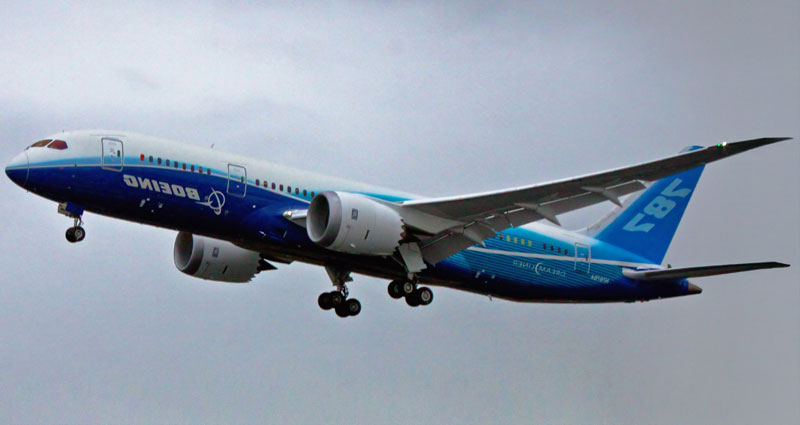
Boeing 787: Most Efficient Airliner

Air travel can present an efficiency dilemma. Trips that wouldn’t be possible by any other means because of time or distance are suddenly viable – though when it comes to manufacturing and fuel resources, airplanes admittedly aren’t the most efficient mode of transportation. But Boeing’s newest passenger jet, the 787 Dreamliner, aims to take a big efficiency step forward with a range of production improvements and design solutions. To improve an aircraft’s flying efficiency, it needs to be lightweight and aerodynamic. Weight reduction has been one of the biggest challenges facing the 787, and Boeing has responded by using lightweight composites for 50% of the aircraft’s body. The company has also devoted over 15,000 hours to wind tunnel tests, maximizing the Dreamliner’s aerodynamics and resulting in subtle design improvements like the aircraft’s flared wings and sloped nose. Boeing estimates that aircraft entering service today are 70% more fuel efficient than the jets of the 1960s, and engine technology is largely responsible for the savings. The 787 will use next-generation engines developed by General Electric and Rolls Royce, meaning the Dreamliner will produce 20% fewer emissions and consume 20% less fuel than other comparably sized aircraft. The manufacturing process that happens before an aircraft even leaves the ground is an important part of its overall efficiency, and the 787’s assembly line is employing some innovative techniques. For example, the use of larger component sections for the airframe speeds production and requires 80% fewer fasteners than before, which translates to just 10,000 holes that need to be drilled, compared to a million for a 747 jumbo jet. Fewer parts and more efficient designs also mean 30% less maintenance is required once the aircraft enters service. And because it’s costly and inefficient to fly half-full planes or to use long-range jets for short trips, Boeing will produce three unique versions of the Dreamliner that will be optimized for different passenger loads and distances.
More Articles

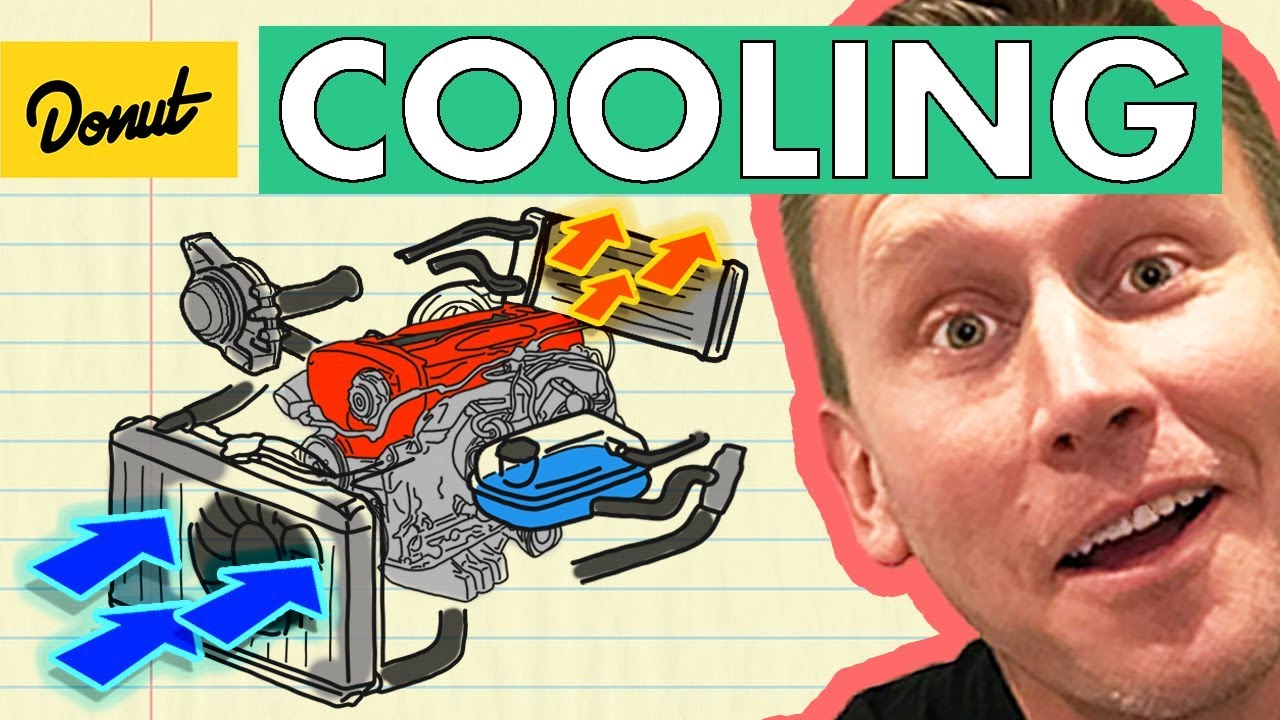
How it Works – Engine Cooling Systems

  • Videos ·
  • 31/01/2020·
Video: Cooling an engine down is just as important as making power! So how is that achieved? Internal combustion engines are often cooled by circulating a liquid called engine coolant through…
SEE MORE

Troubleshooting a John Deere Tractor and Skid Steer – Welker Farms

  • Videos ·
  • 30/01/2020·
Video The guys from Welker farms have run into more heavy equipment issues! In this video, they diagnose a tractor with a bad turbo, and…
SEE MORE

Case Combine – 8.3 Cummins Swap – Episode 1

  • Videos ·
  • 29/01/2020·
Video Rick from DEBOSS Garage finds a broken down Case 2366 Combine and begins to bring it back to life. Luckily he was able to…
SEE MORE

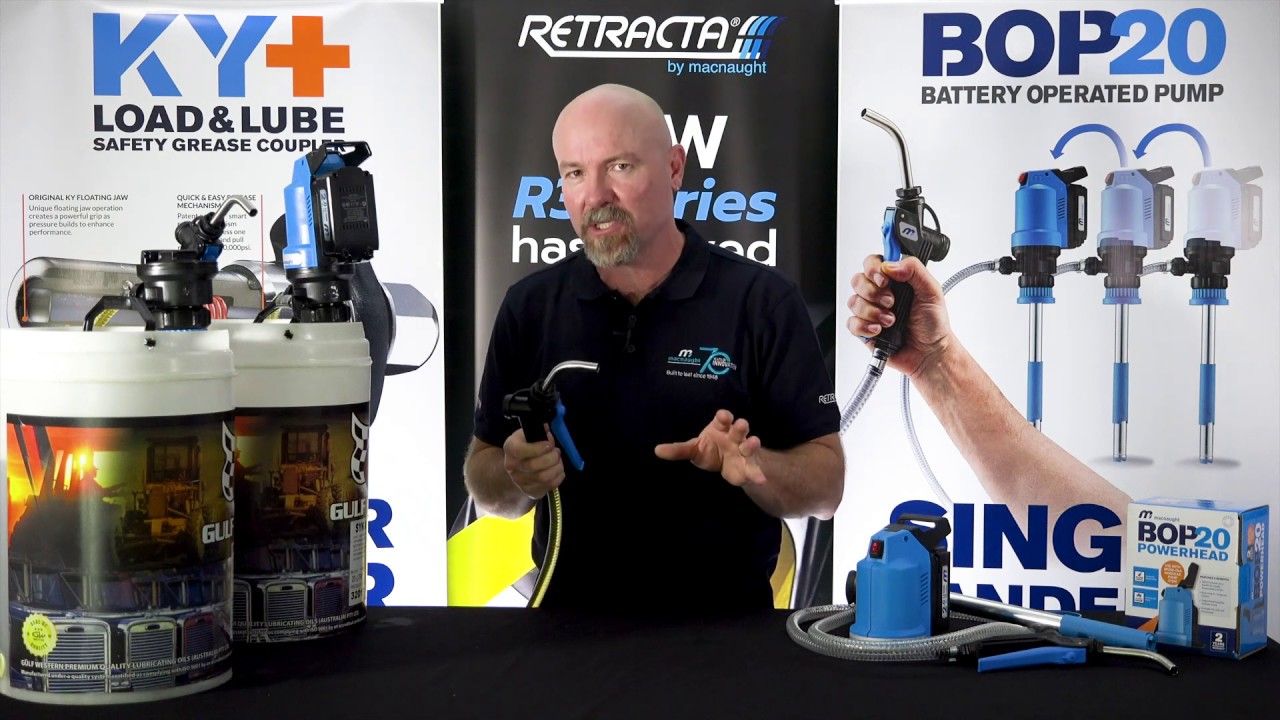
FLO Components – BOP20 Battery Operated Pump by Macnaught

  • Videos ·
  • 27/01/2020·
Video: Check out this amazing battery operated pump from FLO Components and Mcnaught! The modular design of these pumps allows the powerhead to be easily…
SEE MORE

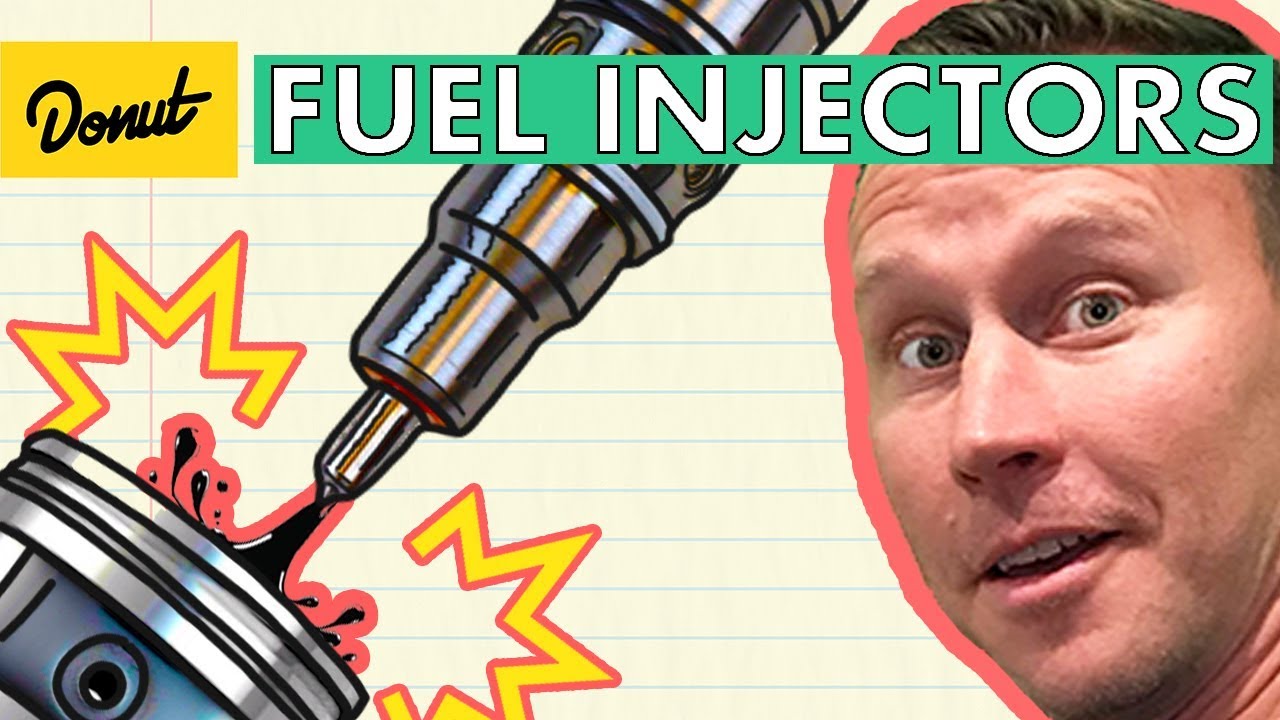
How it Works – Fuel Injectors

  • Videos ·
  • 23/01/2020·
Video: Fuel Injectors feed your engine the precious fuel it needs to live! But how do they work? This video explains the intricate workings within…
SEE MORE

How Much Abuse Can a RUGGED Smartphone Take?

  • Videos ·
  • 22/01/2020·
Video: For any mechanic working in any environment detrimental to the lifespan of their phones, this product may be for you. This phone surely can…
SEE MORE
  • Terms and Conditions
  • Privacy Policy
  • Cookie Policy

Quick Links

  • Home
  • Job Board
  • Employers
  • Job Seekers
  • Tests
  • About Us
  • Contact Us

Positions We Recruit

  • Heavy Equipment Technicians
  • Heavy Truck Mechanics
  • Parts, Service & Management

Connect With Us

Toll-Free #: 1-888-620-5111

Local #: 416-620-5111

E-Mail: inquire@mechanicshub.com

Headquarters

5409 Eglinton Ave West, Suite 108

Toronto, Ontario

Canada M9C 5K6

© Mechanics Hub Inc. All Rights Reserved

Website Managed By StableWP

Unlimited Package Inquiry

This field is for validation purposes and should be left unchanged.

Ask Us a Question

Hidden
This field is for validation purposes and should be left unchanged.

Refer a Friend

This field is for validation purposes and should be left unchanged.
Hidden
This field is for validation purposes and should be left unchanged.

Success!

Your application has been submitted to the employer successfully.

Heavy-Duty Mechanic - Trucks & Equipment

Twinsburg, OH, United States

VIEW MORE JOBS
CONTACT us
  • LOGIN

  • Home
  • Post a Job
  • Resources
  • Job Board
  • About Us
  • Job Seekers
  • Employers
  • Tests
  • Wage Analysis
  • Contact Us
Menu
  • Home
  • Post a Job
  • Resources
  • Job Board
  • About Us
  • Job Seekers
  • Employers
  • Tests
  • Wage Analysis
  • Contact Us

©2023 Mechanics Hub Inc.All Rights Reserved