
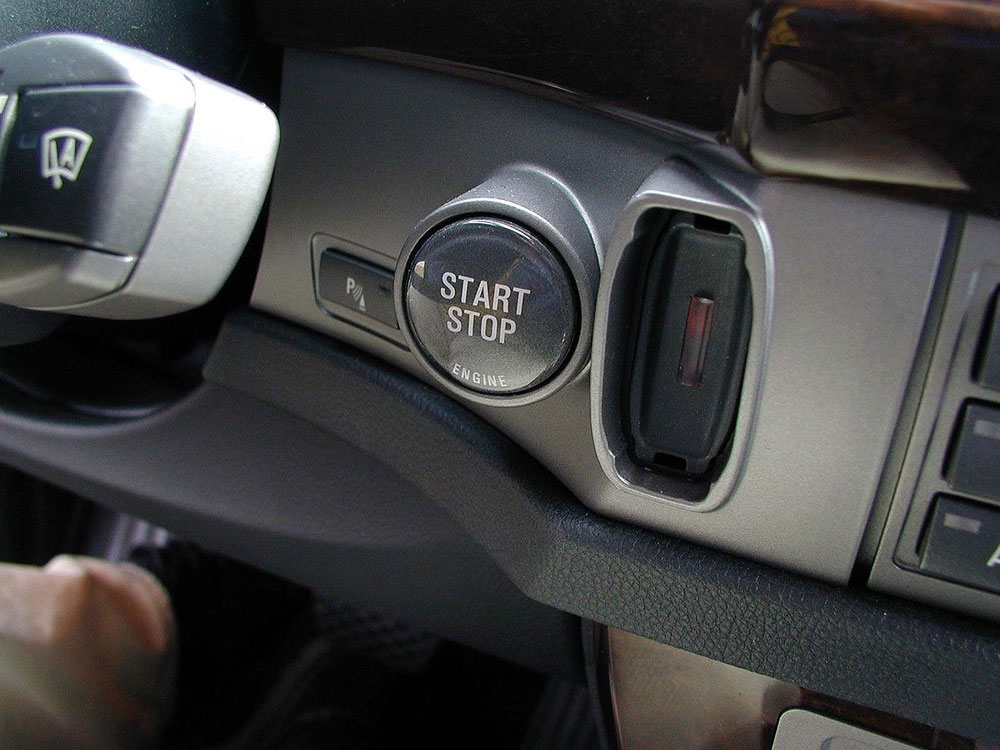
We have to stop thinking of our start/charge systems as simply a handful of separate components, and start viewing them as a system. From alternators to batteries and starters, cables and regulators, and even add-on components like low-voltage cut-off switches and DC/AV inverters, each can impact the component next to it.
In electrical systems, weak components can manifest themselves in different ways, which can lead to misdiagnosis and mistaken replacement of perfectly serviceable parts. Start/charge systems are unique in their interdependence on various parts. What appears to be a failure of one part could actually be a very different problem.
Bruce Purkey, president and chief creative engineer at Purkeys Fleet Electric, says the scrap bins and warranty claims departments of this industry are overflowing with perfectly good parts.
If people just followed troubleshooting charts, used the testers correctly and did a bit of basic electrical detective work, wed send a lot fewer parts to the scrap pile, he says. For example, you cant do an alternator output test until the batteries have been tested and found good. And then theres cable. Have you done a voltage drop test? Is the alternator mounted correctly with proper belt tension? If your output test shows a bad alternator, the problem could actually be any other of these items, or a combination.
Why spend $300 on a replacement alternator when the cables were really the problem?
Cable is often the source of the problem, along with terminal connections cheap, easy fixes that Purkey says are often overlooked because they arent always easy to access.
Does this scenario seem familiar? Ambient temperature drops and the truck wont crank. Must be a bad battery. Change out a battery and the truck starts. Problem solved.
Maybe not, says Purkey.
If you dont do a load test, youll never know, he says. Chances are it was the cable. If that starter pulls 800 amps and I have a two-volt drop across the cable, Ill lose about 60 rpm of crank speed but Ill probably still start. If the starter is drawing 2,000 amps and I have a four-volt drop, I lose 120 rpm of cranking speed. Theres no way Ill start. Is it a bad starter? A bad battery? No, its the cable or the terminal connections.
You can have the best alternator in the world and the best battery in the world, but if you have a voltage drop and cant charge the batteries youre going nowhere. One of Purkeys biggest pet peeves is the PM checklist that says check cables. What the sheet should say is test the cables, he says.
In my experience, fleets hardly ever do voltage drop tests, but they are always doing battery tests, he says I know of a fleet with all kinds of starter problems but they never do voltage drop tests. Ill guarantee they dont have starter problems, they have cable problems.
If you need guidance on doing such cable tests, look no further than The Technology and Maintenance Council of the American Trucking Associations Recommended Practice RP129A. Its all there.
Voltage where its needed
Traditional alternators read their output voltage at the terminals, but dont know what voltage the batteries are getting. The batteries could be getting a volt or two less than they need because of voltage drop across the cables and connections. A recent innovation called remote sense helps maintain 14 volts at the battery by increasing charging voltage at the alternator to compensate for voltage drops.
Remote sense simply moves sense point of the regulator to the battery rather than the output of the alternator, says Bob Jefferies, manager of fleet operations and services at Delco Remy. Remote sense steps up the voltage to deliver what the battery needs, optimizing battery state-of-charge for improved efficiency and overall battery life.