
Dont you wish you could get back all that energy you wasted grinding up brake pads?
If your common sense tells you something just isnt quite right, the first thing you need to do is identify the problem, right? Here are eight things holding all diesel engines back from their full potential. After youve read this, be sure to turn to page 142, where well show you eight companies determined to change these pesky hang-ups into internal-combustion success stories.
Energy Losses
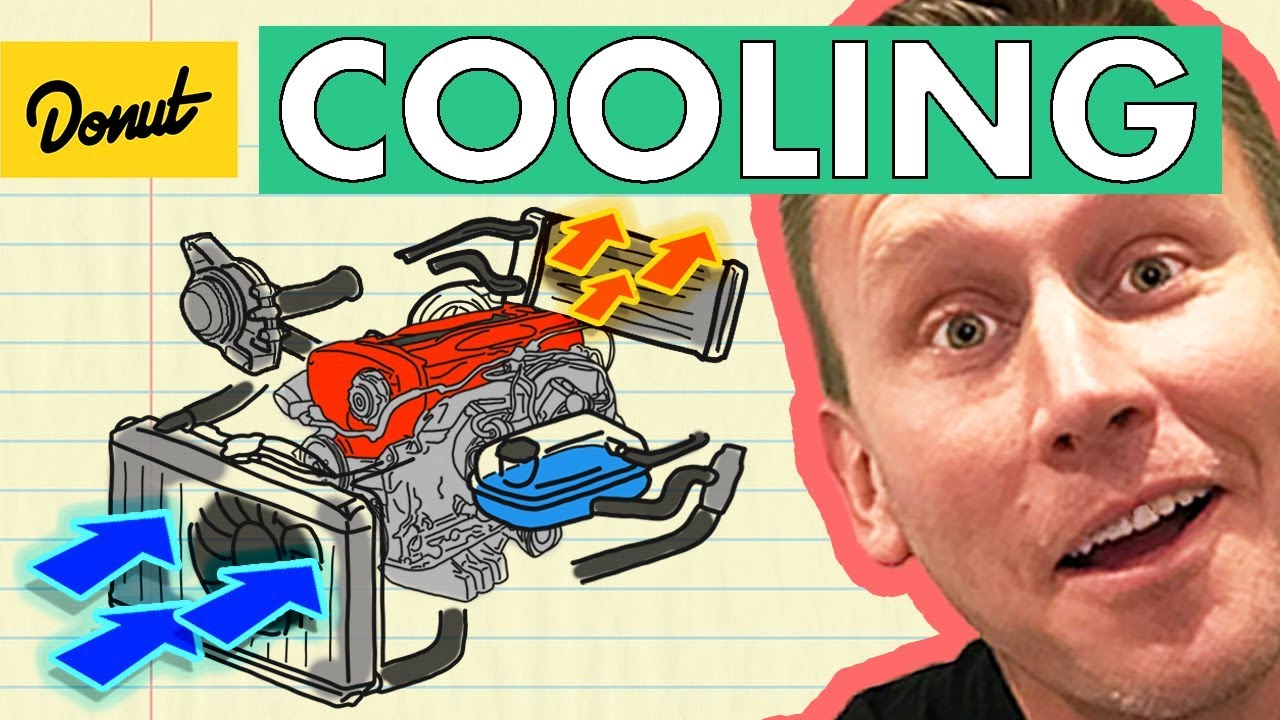
Todays best diesel engines have a brake thermal efficiency of about 42 percent. This means they waste more energy from their fuel than they turn into actual work. The radiator, charge-air cooler, and EGR cooler throw away nearly 28 percent of the potential energy in our diesel fuel. This is done in order to keep the cylinder temperature regulated for the compression strokebut its still a waste of energy.
Exhaust Gas Losses
The other place a quarter of the fuels potential energy is escaping is out the exhaust pipeeven with a turbocharger that helps mitigate the losses. In todays diesel engines, the compression ratios are fixed. What this means is that our engines have more cylinder pressure than we can harness. Modern engines open the exhaust valves early (before all the power is transferred into work on the piston) because otherwise it would send the pistons a foot into the ground. Fuel Inflexibility Today, we have biodiesel-, ethanol-, JP-8-, CNG-, ULSD-, propane-, and LPG-specific engines. Since our prime movers are sensitive to fuel type, their hardware must be tuned to each energy source. Future engine designs need to be fuel independent, which means they wont be so picky regarding what they burn and convert to work.
Emissions Problems
Mainstream scientists believe excessive carbon in the atmosphere is (and will continue to) causing changes to our oceans and atmosphere. Mainstream doctors say asthma and heart problems can be attributed to todays internal-combustion engines. What you choose to believe is up to you, but rest assured that our society will continue to strive to clean up the environment we live inand thats a good thing.
We now have test engines in labs that produce fewer emissions than boiling a pot of water. These engines produce an exhaust that is cleaner than the air in some of todays cities. We all like clean air, but we dont like todays expensive and failure-prone aftertreatment systems. The goal is taking care of the combustion and emissions in the cylinder, instead of passing the buck to filters, sprayers, and eventually to our lungs.
No Power Storage
Dont you wish you could get back all that energy you wasted grinding up brake pads? Youll also be keeping the dust off people and things next to roadways, while improving your vehicles fuel economy at the same time. Compressed air tanks, hydraulic accumulators, and compressed springs should all be considered.
Low Power Density
The diesel engine has a serious weight problem. Anyone who has ever pulled an engine can vouch for this. A better balanced engineone that does not need as robust a block to deal with the random forcesis key. Materials such as ceramic, ultra-high-strength steels, aluminum, and magnesium can help shed the pounds.
Head Gasket Failures
Are you sick of replacing head gaskets? Future engines will get away from having this vulnerable connection point right at the hottest and most pressurized section of the engine.
We Need at Least Two Engines Per Vehicle
The diesel engine combustion system that sits between your framerails was not originally built for a pickup. Instead, our combustion process was intended for stationary power generation, ships, submarines, airplanes, tractors, and other devices, like irrigation pumps, which run at a steady speed. If you look at a vehicles normal drive cycle, youll notice it looks like the Rocky Mountains: up and down, up and down. A vehicle idling in heavy traffic exaggerates this fact even more. We need at least two enginesa big one and a small oneto better match the peaks and valleys. The small one should be able to capture the big ones waste heat or run on its own with a separate combustor. This way, a small, clean-burning engine could be used for the vehicles onboard power needs. These include electrical accessories, heating, A/C, power steering, brake booster, and a small hydraulic pump for creeping and short trips. The small engine will start the big one and warm it up so itll create fewer emissions and create a cozy cab instantly in the winter.