

While most of the early problems have been engineered out of the exhaust gas recirculation systems on todays clean diesel engines, corroded coolers, stuck valves and other problems still plague owners of older equipment.
Unfortunately, theres not much you can do in terms of scheduled preventive maintenance to keep those systems working. Keeping a close eye out for telltale signs of impending failure, however, can help keep repair cost down by scheduling the event rather than being surprised by it.
Vehicle performance, fuel efficiency and frequency of active regenerations are good status indicators, says Roy Horton, Macks powertrain product marketing manager. Adhering to a regular maintenance schedule and addressing issues as soon as they arise are vital for preventing damage to the vehicle.
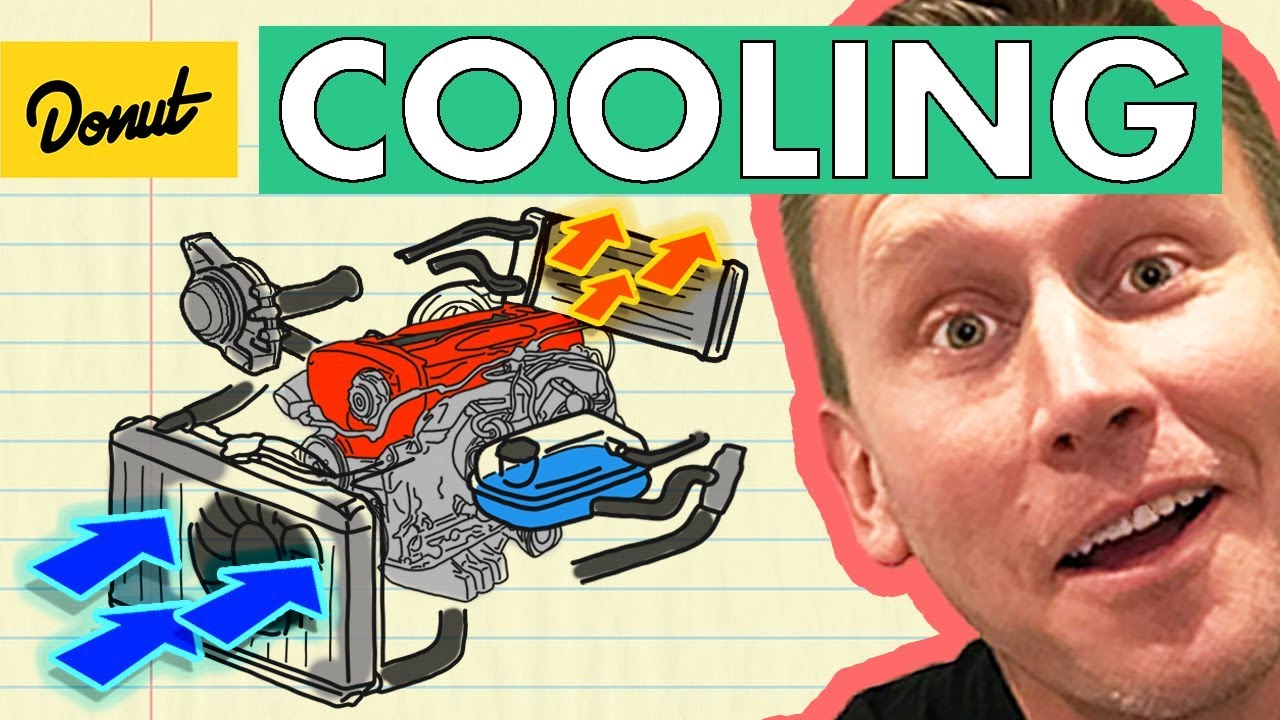
With EGR coolers, for example, external leaks were not reliable indicators of an internal failure. Instead, Mark Ulrich, director of customer support for Cummins Engine Business Unit, suggests paying attention to top-up coolant.
Fleets should be monitoring coolant consumption, he says. If they find they are adding, say, half a gallon of coolant per week, but there are no external leaks, thats a good indication of an EGR cooler with an internal leak.
Ulrich also says elevated sodium and potassium levels in the oil are indicative of coolant contamination that could be coming in through the EGR system.
According to Mike Dowling, an accredited technician trainer on Detroits on-highway diesel engines working with Clarke Power Services in St. Louis, the early EGR coolers were fix as fail items, and clues to a failure were not particularly easy to spot in advance.
We tell our techs to watch for white residue at the outlet end of the cooler, he says. You wouldnt necessarily be able to see a coolant leak, but burnt coolant leaves a white residue the supplemental coolant additive thats visible. Once you have the cooler off the engine, you could physically test it and blow it out to remove the exhaust residue, but thats after the fact.
In shell-and-tube coolers like Cummins used, Ulrich says, one of the weak spots turned out to be the interface where the tubes are welded into the header plate.
It was simply a fatigue cycle induced by the expansion and contraction of the components as the hot exhaust gas flowed through the cooler, he says. We changed how we flowed coolant through there and we also made some dimensional and material changes.
John Moore, Volvo Trucks powertrain product manager, says failures seen in early EGR valves are behind the industry now, with changes in materials and design.
Contemporary engine designs improved on past weak points, and thereby reduced the number of failures.
Contemporary engine designs improved on past weak points, and thereby reduced the number of failures.
Exhaust gas recirculation in diesel engines reintroduces exhaust soot that not only can corrode valves and coolers when condensation occurs, but can also make them stick open or closed due to excessive build-up of gummy deposits, he says. These failures are not as common today due to changes in component design, along with ultra-low sulfur diesel fuel as the only option for fueling. That greatly reduces the corrosion and deposit buildup.
Ken Pickett, a customer support rep at Clarke Power Services Wentzville, Mo., facility, notes that EGR cooler failures were often precursors to an EGR valve failure.
If you could put a lifespan on a cooler, you might be able to predict when they might fail and pull them before they do, he says. If youve had a cooler fail, chances are the valve wont be far behind it.
EPA-2007-emissions engines also saw some problems with the diesel particulate filters.
Navistar spokesperson Elissa Maurer told HDT that proper lubricant is vital to the longevity of these DPFs.
On top of the regens, the DPF will probably require a physical cleaning sometime over its life, but using the right oils can prevent premature contamination, she says. Customers should follow recommended maintenance schedules for their vocation.
These bits of advice and historical context do not necessarily apply to all engine brands, of course. They are specific to certain manufacturers, but can sometimes be applied generally.
With that in mind, truck owners can still stay out of deep trouble by watching the engine for changes in oil or coolant consumption, fuel mileage and performance.
An increase in active DPF regenerations on pre-SCR trucks can indicate that the filter needs service, Moore points out.
Owners can help prevent progressive damage to their aftertreatment systems through proper maintenance according to published intervals. If the EGR cooling system has performance issues, trouble codes will be present. Do not ignore them. Have the system fixed immediately to avoid more costly repairs, Moore says.
While the diagnostic capability of contemporary engines is vastly improved over early models, owners should pay attention to the signals they are getting from the blinking lights on the dashboard. When a fault appears, pay attention to it.
The fault codes are historical, and all the faults are flagged, says Clarkes Dowling. But good old-fashioned changes in performance or fluid consumption are still good indicators that something has changed. Dont ignore them, either.
By Jim Park