• JOB BOARD
  • POST A JOB
  • JOB SEEKERS
  • EMPLOYERS
  • TESTS
  • RESOURCES
  • WAGE ANALYSIS
Menu
  • JOB BOARD
  • POST A JOB
  • JOB SEEKERS
  • EMPLOYERS
  • TESTS
  • RESOURCES
  • WAGE ANALYSIS
CONTACT US
  • LOGIN

  • JOB BOARD
  • POST A JOB
  • JOB SEEKERS
  • EMPLOYERS
  • TESTS
  • RESOURCES
  • WAGE ANALYSIS
Menu
  • JOB BOARD
  • POST A JOB
  • JOB SEEKERS
  • EMPLOYERS
  • TESTS
  • RESOURCES
  • WAGE ANALYSIS
  • Login
  • LOGIN

  • ARTICLES
  • 31/10/2013

Where the Rubber Meets the Road: Tire Myths Debunked

As one of the most commonly replaced parts on a car, vehicle tires represent a $23 billion industry, according to IbisWorld.com. Everyone seems to have some kind of advice about proper tire care and replacement, but it can be hard to separate the facts from fiction. Check out these four tire myths:

Only Big Companies Make Good Tires

Based on sales, Bridgestone is the world’s leading tire manufacturer. But that doesn’t mean its tires are superior to other brands. Smaller manufacturers penetrate the market with niche tires designed for fuel economy, traction and longer life. For instance Nexen tires, a small Korean tire manufacturing company, makes touring, high-performance and all-terrain tires that rival those produced by the bigger companies and cost less. Most brand-name tires cost more just because of brand recognition.

Lower Tire Pressure Equals Better Grip

While a reduced tire pressure used to provide better grip in older tires, it won’t today. Lowering tire pressure will reduce your mileage and impact your handling. Manufacturers actually recommend you increase the tire pressure when driving in the winter, because tire pressure drops about one pound for every 10-degree drop in temperature. You may even want to go up another 5 pounds per square inch.

Overinflating Will Cause a Blow Out

Some people think inflating past the recommended tire pressure takes you to the brink of a blowout. However, tire pressure ratings refer to the amount of weight the tire is able to carry, and going over by a few pounds is fine. While inflating a tire to double its max pressure rating may cause tire failure if you hit an object or deep pothole, most tire failures are actually due to lower tire pressure, the Connecticut Department of Transportation reports.

Tire ratings indicate the pressure at which the tire provides the best grip when turning. Keeping your tires properly inflated to the right pressure gives you better traction and helps you avoid objects in the road. Reducing pressure only slackens your tread and makes for less control.

Rear Tires Are Less Important Than Front Tires

While rear tires usually wear more slowly in front-wheel drive cars, they are still important. Rear tires help you brake, accelerate and stay on the road. Swapping worn tires to the back can reduce your car’s handling and cause your vehicle to brake slower, skid more often and fishtail on sharp turns. You need decent traction on both ends of your car for the best performance.
More Articles

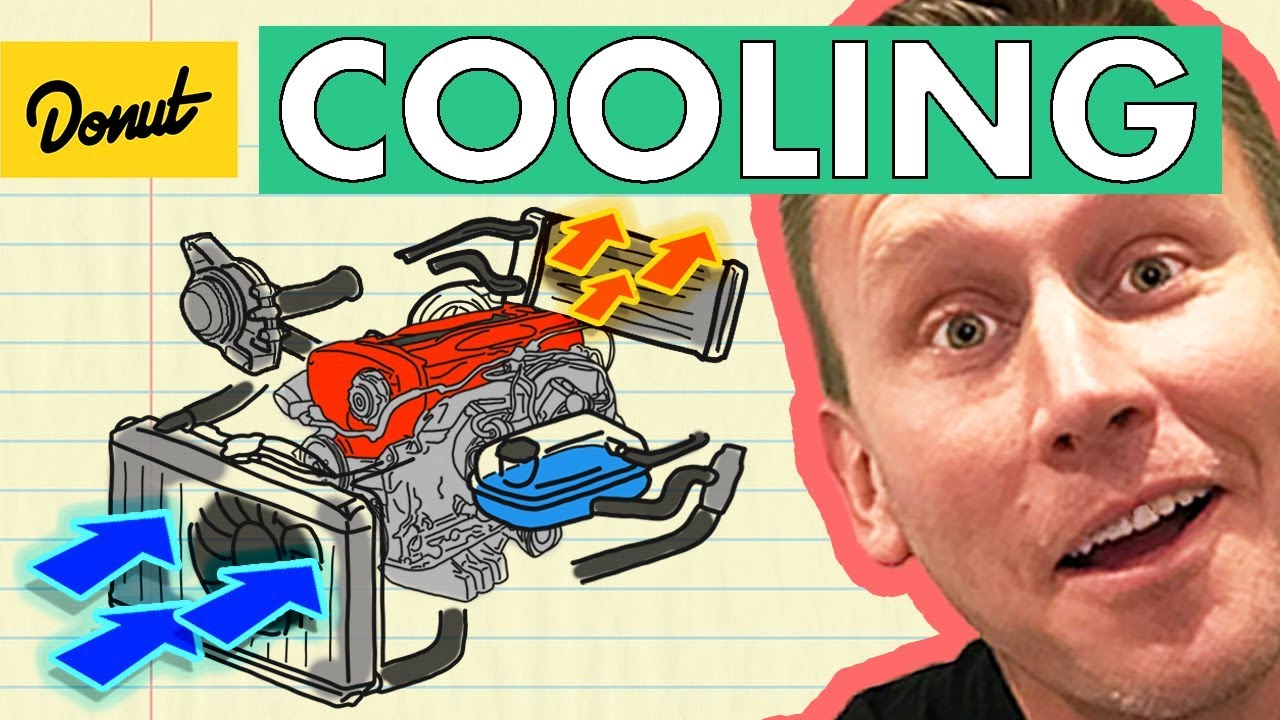
How it Works – Engine Cooling Systems

  • Videos ·
  • 31/01/2020·
Video: Cooling an engine down is just as important as making power! So how is that achieved? Internal combustion engines are often cooled by circulating a liquid called engine coolant through…
SEE MORE

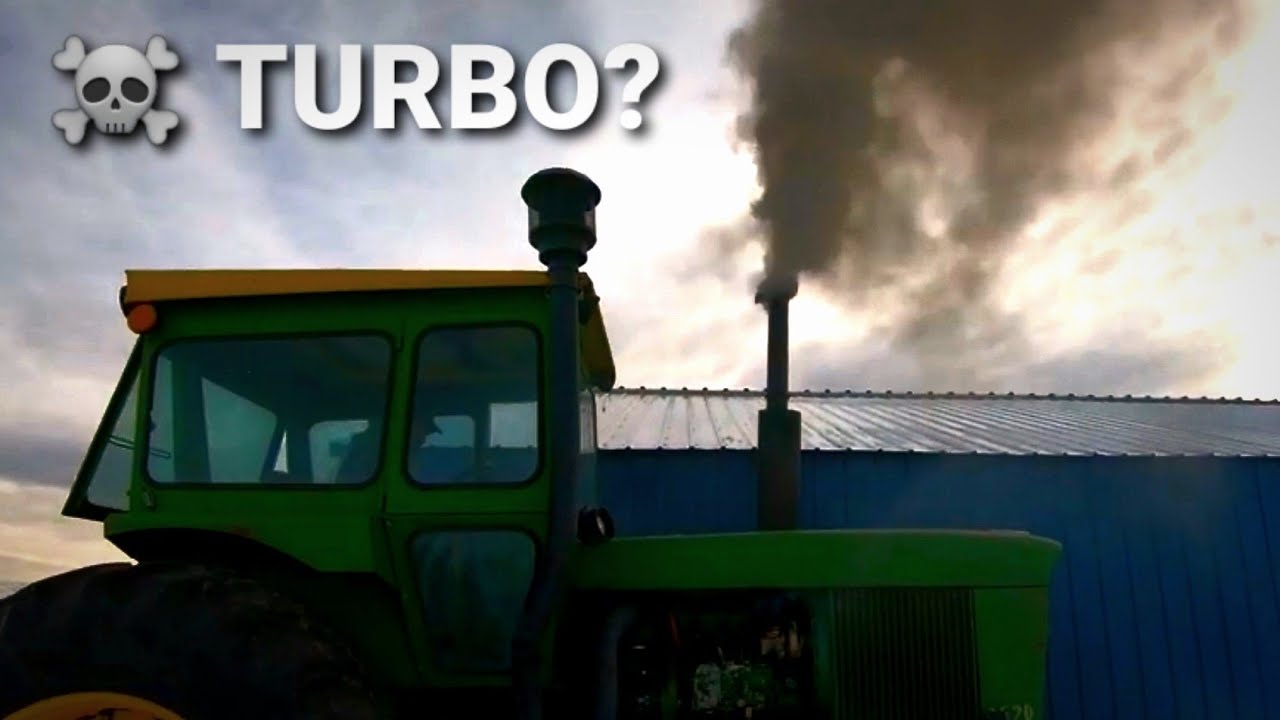
Troubleshooting a John Deere Tractor and Skid Steer – Welker Farms

  • Videos ·
  • 30/01/2020·
Video The guys from Welker farms have run into more heavy equipment issues! In this video, they diagnose a tractor with a bad turbo, and…
SEE MORE

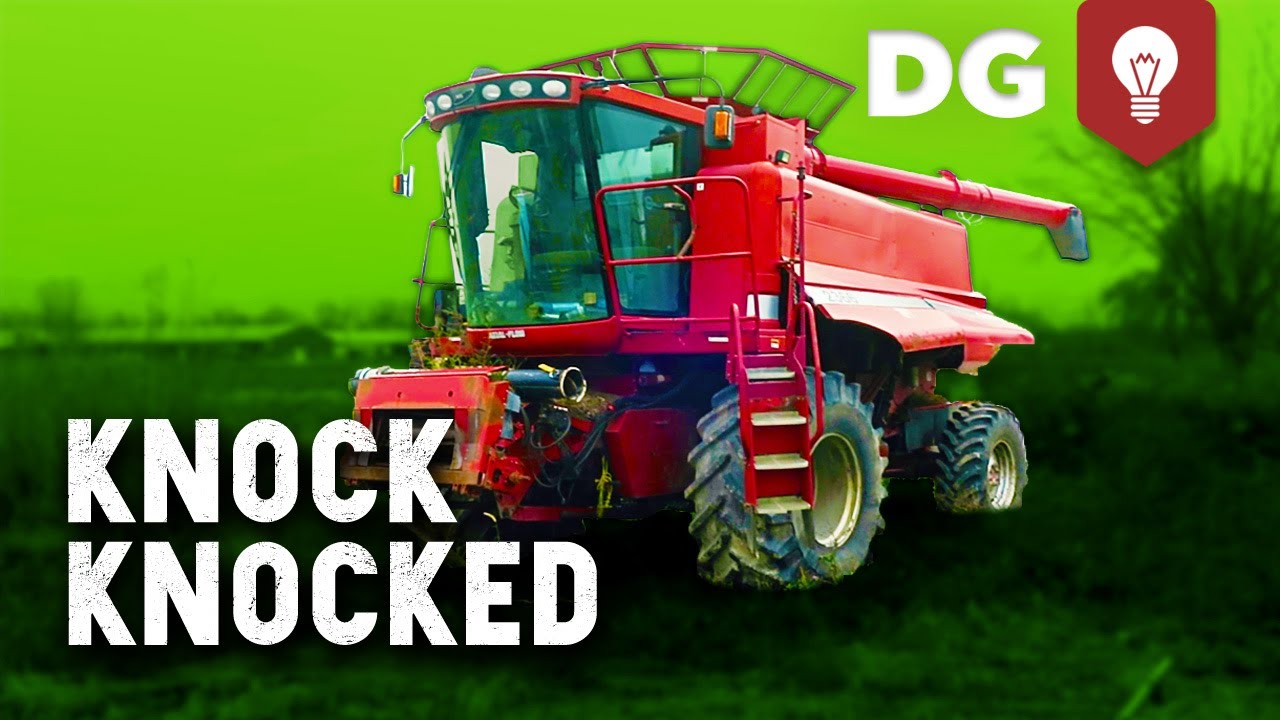
Case Combine – 8.3 Cummins Swap – Episode 1

  • Videos ·
  • 29/01/2020·
Video Rick from DEBOSS Garage finds a broken down Case 2366 Combine and begins to bring it back to life. Luckily he was able to…
SEE MORE

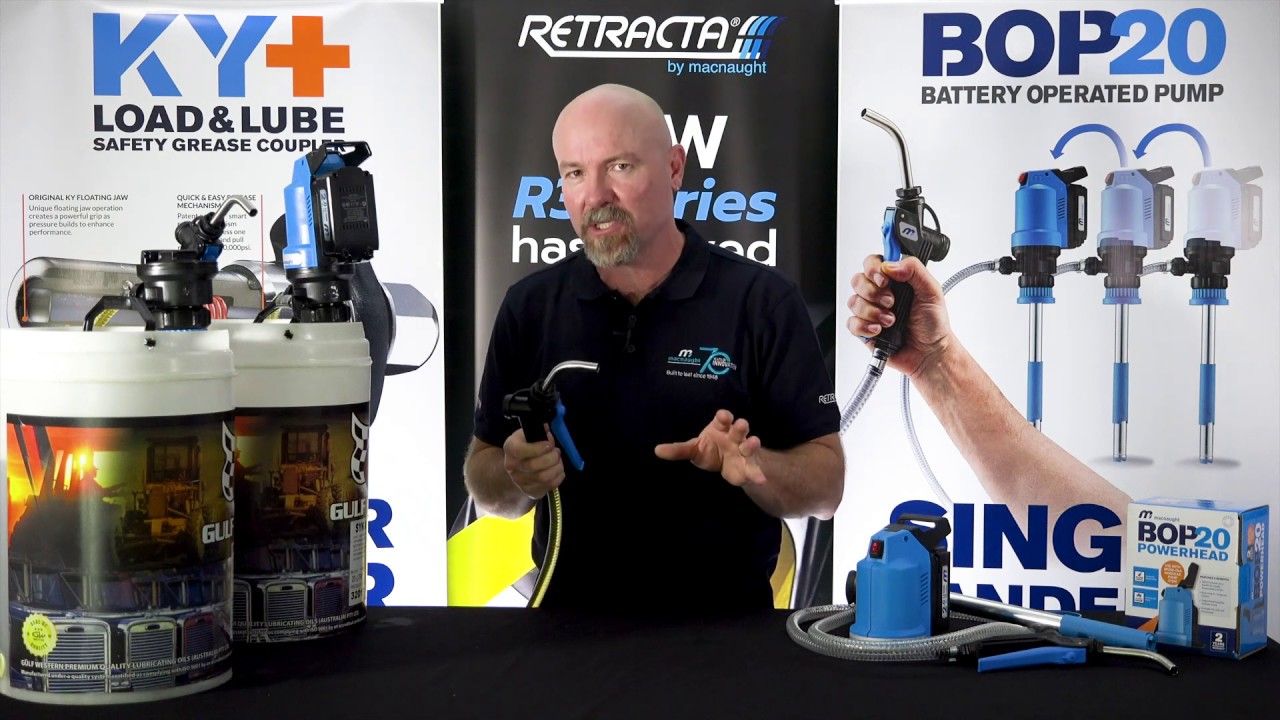
FLO Components – BOP20 Battery Operated Pump by Macnaught

  • Videos ·
  • 27/01/2020·
Video: Check out this amazing battery operated pump from FLO Components and Mcnaught! The modular design of these pumps allows the powerhead to be easily…
SEE MORE

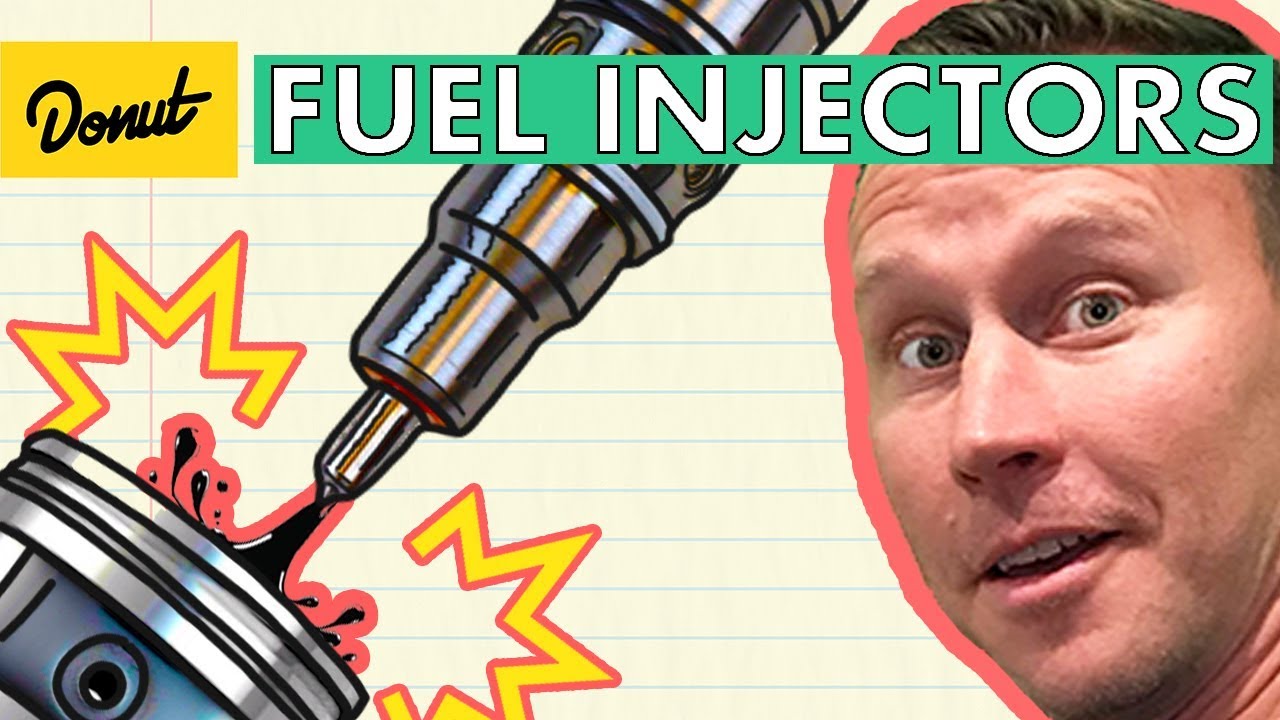
How it Works – Fuel Injectors

  • Videos ·
  • 23/01/2020·
Video: Fuel Injectors feed your engine the precious fuel it needs to live! But how do they work? This video explains the intricate workings within…
SEE MORE

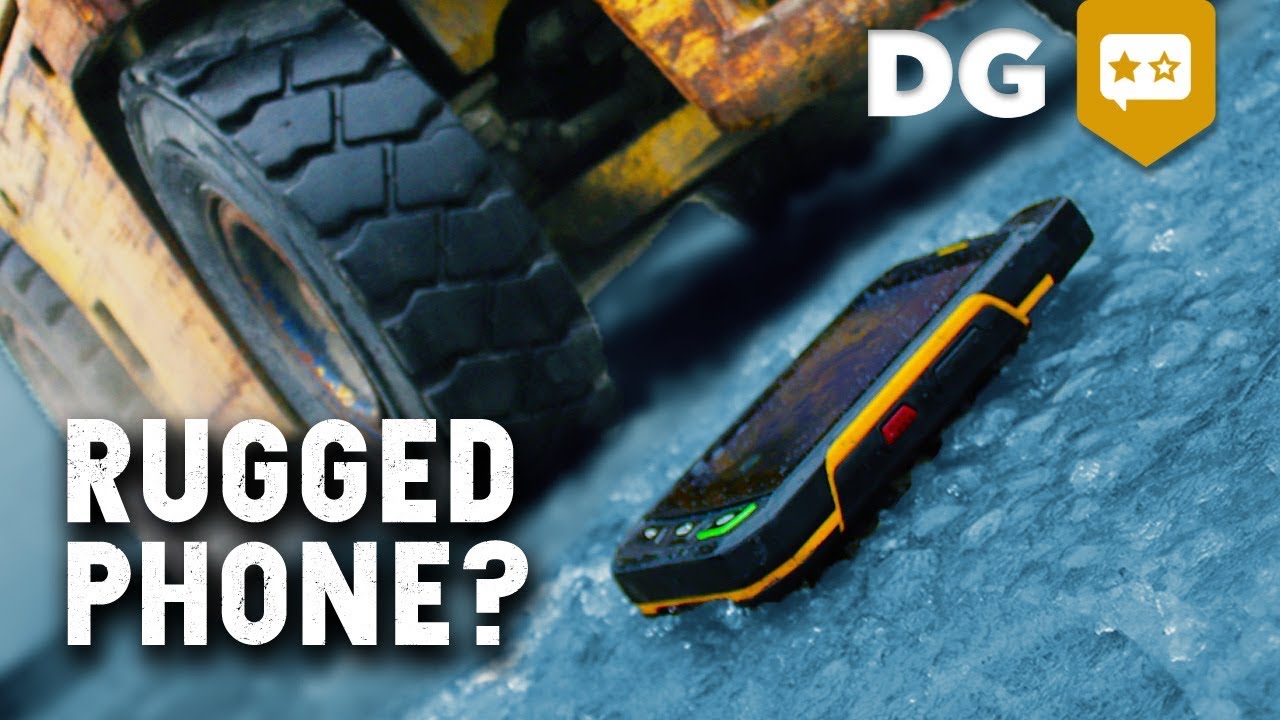
How Much Abuse Can a RUGGED Smartphone Take?

  • Videos ·
  • 22/01/2020·
Video: For any mechanic working in any environment detrimental to the lifespan of their phones, this product may be for you. This phone surely can…
SEE MORE
  • Terms and Conditions
  • Privacy Policy
  • Cookie Policy

Quick Links

  • Home
  • Job Board
  • Employers
  • Job Seekers
  • Tests
  • About Us
  • Contact Us

Positions We Recruit

  • Heavy Equipment Technicians
  • Heavy Truck Mechanics
  • Parts, Service & Management

Connect With Us

Toll-Free #: 1-888-620-5111

Local #: 416-620-5111

E-Mail: inquire@mechanicshub.com

Headquarters

5409 Eglinton Ave West, Suite 108

Toronto, Ontario

Canada M9C 5K6

© Mechanics Hub Inc. All Rights Reserved

Website Managed By StableWP

Unlimited Package Inquiry

This field is for validation purposes and should be left unchanged.

Ask Us a Question

Hidden
This field is for validation purposes and should be left unchanged.

Refer a Friend

This field is for validation purposes and should be left unchanged.
Hidden
This field is for validation purposes and should be left unchanged.

Success!

Your application has been submitted to the employer successfully.

Heavy-Duty Mechanic - Trucks & Equipment

Twinsburg, OH, United States

VIEW MORE JOBS
CONTACT us
  • LOGIN

  • Home
  • Post a Job
  • Resources
  • Job Board
  • About Us
  • Job Seekers
  • Employers
  • Tests
  • Wage Analysis
  • Contact Us
Menu
  • Home
  • Post a Job
  • Resources
  • Job Board
  • About Us
  • Job Seekers
  • Employers
  • Tests
  • Wage Analysis
  • Contact Us

©2023 Mechanics Hub Inc.All Rights Reserved